Introduction: A Captain’s Stress and a Receding Hairline
Ricky Ponting is arguably one of the greatest cricketers of all time. As the captain of the Australian national team during its golden era, he bore the weight of a nation’s expectations. However, keen observers in the mid-2000s noticed that the stress of captaincy seemed to be taking a toll on more than just his sleep—it was affecting his hairline.
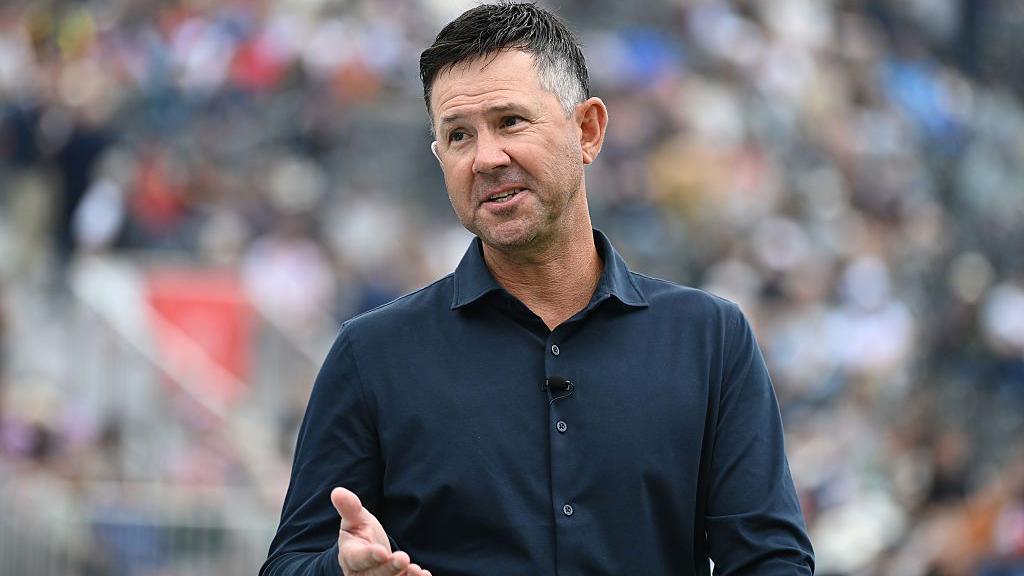
For cricket fans and men suffering from hair loss, the phrase “Ricky Ponting hair transplant” is a popular search query. Why? Because seemingly overnight, Ponting went from a visibly thinning scalp to sporting a thick, youthful crop of hair that he still maintains today in the commentary box.
In this article, we break down the timeline of Ponting’s transformation, the likely medical procedures involved, and why his case is a perfect example of successful hair restoration.
The “Before” and “After”: Solving the Mystery
To understand the transformation, we have to look back at the timeline:
- The Early 2000s: By 2004-2005, Ponting’s hair was noticeably thinning at the crown and temples. The harsh Australian sun and the constant wearing of the “Baggy Green” cap likely didn’t help the visual aspect of his thinning.
- The Turning Point (2007): The rumors peaked around 2007. After a period away from the cameras, Ponting appeared at the ICC Awards with a significantly fuller head of hair. The “Punter” looked years younger.
Unlike his teammate Shane Warne, who famously became the face of Advanced Hair Studio and openly marketed hair replacement, Ponting remained relatively private about his procedures. However, the visual evidence is undeniable. In the world of trichology (hair science), hair does not spontaneously regrow on a balding crown without medical intervention.
Analyzing the Technique: FUE or FUT?
Based on the era and the results, experts speculate on the methods Ponting likely utilized.
1. The Likely Contender: FUE (Follicular Unit Extraction) Given the natural density and the lack of a visible linear scar on the back of his head (often visible when cricketers have short haircuts), it is highly probable that Ponting underwent FUE.
- How it works: Individual hair follicles are extracted one by one from the donor area (back of the head) and implanted into the thinning areas.
- Why it fits Ponting: This method allows for a quick recovery—essential for a sportsman with a packed schedule—and leaves no visible scarring.
2. Adjunct Treatments: Laser Therapy & PRP Many clinics that treat high-profile athletes combine surgery with non-invasive treatments. It is rumored that Ponting may have utilized Laser Hair Therapy or PRP (Platelet-Rich Plasma) injections to maintain the density of the transplanted hair and prevent further loss of existing hair.
The “Cricket Club” of Hair Transplants
Ricky Ponting isn’t alone. Cricket seems to be the sport with the highest number of hair transplant success stories. The constant exposure to cameras and the helmet/cap factor makes hair loss a common concern among players.
- Shane Warne: The pioneer who normalized hair replacement for Aussie men.
- Jacques Kallis: The South African all-rounder who had a highly publicized and successful transplant.
- Virender Sehwag: The Indian opener who openly discussed his FUE procedure to regain his confidence.
Ponting’s quiet approach contrasts with Warne’s loudness, proving that you can have a procedure done discreetly and let the results speak for themselves.
Why Ponting’s Result is Considered “Top Tier”
The marker of a bad hair transplant is that everyone knows it’s a transplant (think: “pluggy” hairlines or unnatural straight lines). Ricky Ponting’s hair is considered a masterpiece because:
- Natural Hairline Design: It isn’t too low or too straight. It fits a man in his 40s and 50s.
- Density Management: The hair isn’t impossibly thick; it matches the texture of his donor hair.
- Longevity: Nearly two decades later, his hair still looks great, suggesting he has maintained it well with medication (likely Finasteride) to stop further loss.
Conclusion: What You Can Learn from Punter
Ricky Ponting’s hair restoration journey teaches us that you don’t have to accept premature balding. Whether for career longevity or personal confidence, modern hair transplants offer a permanent solution that looks completely natural.
If you are inspired by Ponting’s look, the key takeaway is early intervention. Ponting addressed the issue before he went completely bald, which allows for better coverage and a more natural result.
FAQ: Common Questions About Ricky Ponting’s Hair
- Did Ricky Ponting admit to a hair transplant? Unlike Shane Warne, Ricky Ponting has been very private about his cosmetic procedures. He has not publicly released a statement confirming surgery, but the visual evidence is widely accepted by experts as proof of a successful transplant.
- What method of hair transplant did cricketers use? Most modern cricketers, including those in the IPL and Australian team, prefer the FUE (Follicular Unit Extraction) method because it is less invasive and allows them to return to training quickly without scarring.
- Does wearing a cricket helmet cause hair loss? This is a myth. While dirty helmets can cause scalp irritation (folliculitis), “traction alopecia” from helmets is rare. The primary cause of hair loss for cricketers like Ponting is Androgenetic Alopecia (Male Pattern Baldness), which is genetic.